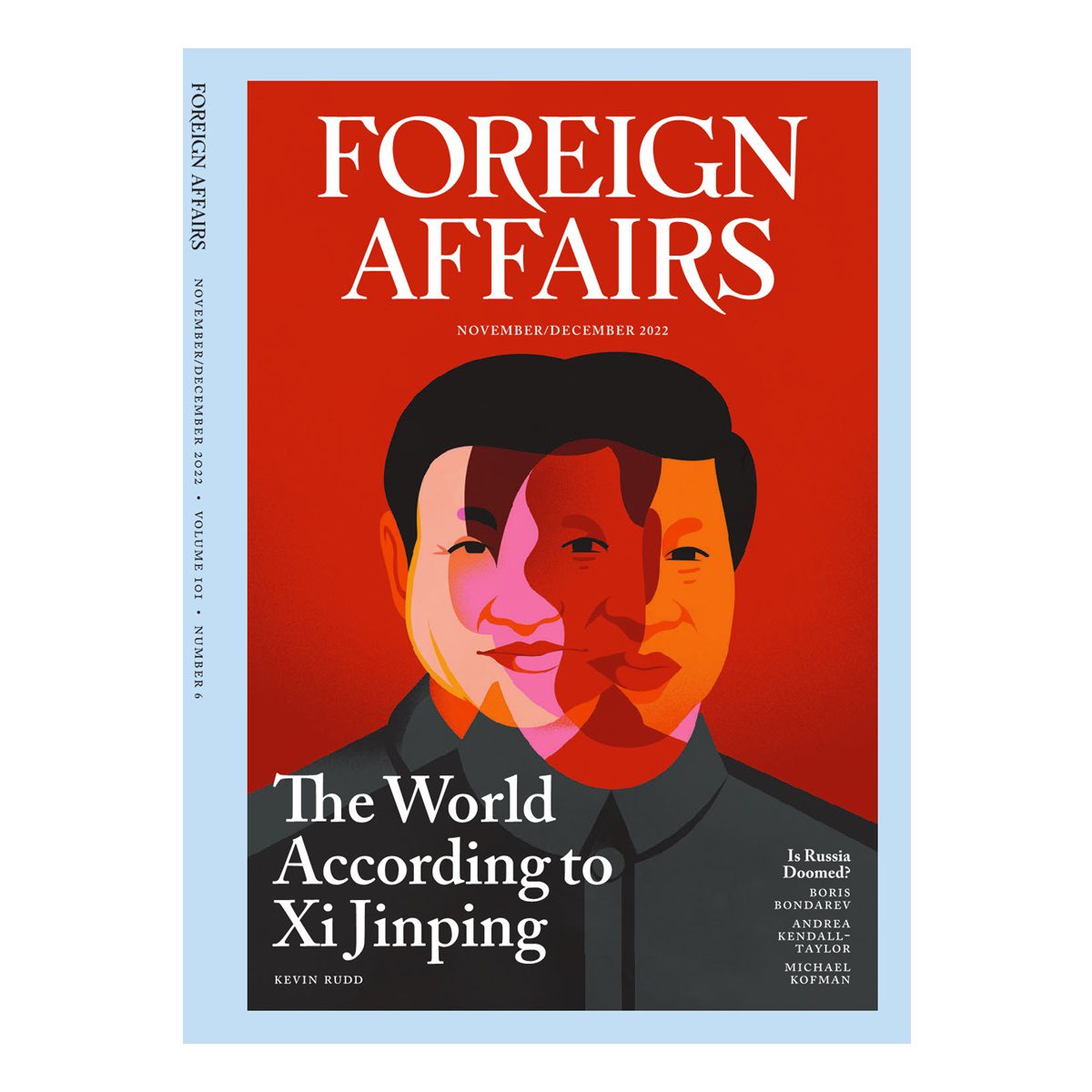
DescriptionForeign Affairs January–February 2026 Issue: A Strategic Compass for a Fragmented WorldForeign Affairs January February 2026 issue offers a rigorous and forward-looking examination of global politics at a moment when multipolarity, technological disruption, and geopolitical rivalry define international relations. Firstly, this issue frames 2026 as a decisive year for the future of world order, it equips scholars, diplomats, and policy analysts with the intellectual tools required to interpret complex transitions.Moreover, the journal continues its legacy of combining theoretical depth with practical relevance, thus ensuring that readers understand both causes and consequences of global change.Great-Power Rivalry and the New Balance of Power – Foreign Affairs January February 2026 IssueThe United States, China, and Strategic CompetitionSecondly, the issue devotes substantial attention to the evolving U.S.–China rivalry, because economic decoupling, military modernization, and technological competition now shape strategic calculations. Furthermore, the authors explain how Beijing’s regional assertiveness interacts with Washington’s alliance-based strategy, while they also evaluate risks of miscalculation in the Indo-Pacific. Consequently, readers gain a clearer picture of how deterrence, diplomacy, and economic statecraft intersect in Asia. Foreign Affairs January February 2026 IssueRussia, Europe, and the Security DilemmaMeanwhile, Europe’s security environment occupies another central theme, as Russia’s posture toward NATO continues to influence defense planning. In addition, the issue highlights how energy security and military preparedness intertwine, therefore it clarifies why European unity remains essential for stability.Global South, Middle Powers, and Economic GeopoliticsEmerging Powers and Strategic AutonomyLikewise, the journal explores how middle powers such as India, Türkiye, and Brazil pursue strategic autonomy, so they balance relations among competing blocs. Moreover, African and Southeast Asian states appear as active shapers of regional orders, hence global politics no longer revolve around a single axis.Trade, Technology, and Financial PowerNot only that, the issue analyzes supply-chain realignment and digital currencies, but also it shows how economic tools now function as instruments of power. Accordingly, readers can trace how sanctions, industrial policy, and innovation ecosystems influence geopolitical outcomes. Foreign Affairs January February 2026 IssueKey Features of the Foreign Affairs January February 2026 IssueIn-depth essays on U.S.–China strategic rivalryAuthoritative analysis of Russia and European securityCoverage of Global South diplomacy and middle-power strategiesInsightful discussion of technology, AI, and cyber geopoliticsEvaluations of energy transition and climate diplomacyExpert forecasts on global economic realignmentWhy Foreign Affairs January February 2026 Issue MattersUltimately, this issue stands out because it integrates political, economic, and technological dimensions into a single analytical framework. Therefore, policymakers, CSS aspirants, and international relations scholars can rely on it as a comprehensive guide to contemporary world affairs.Indeed, the January–February 2026 edition of Foreign Affairs does not merely describe global change; rather, it interprets it with clarity, authority, and strategic vision, thus making it an indispensable resource for understanding the world in 2026.
 EN
EN ES
ES DE
DE

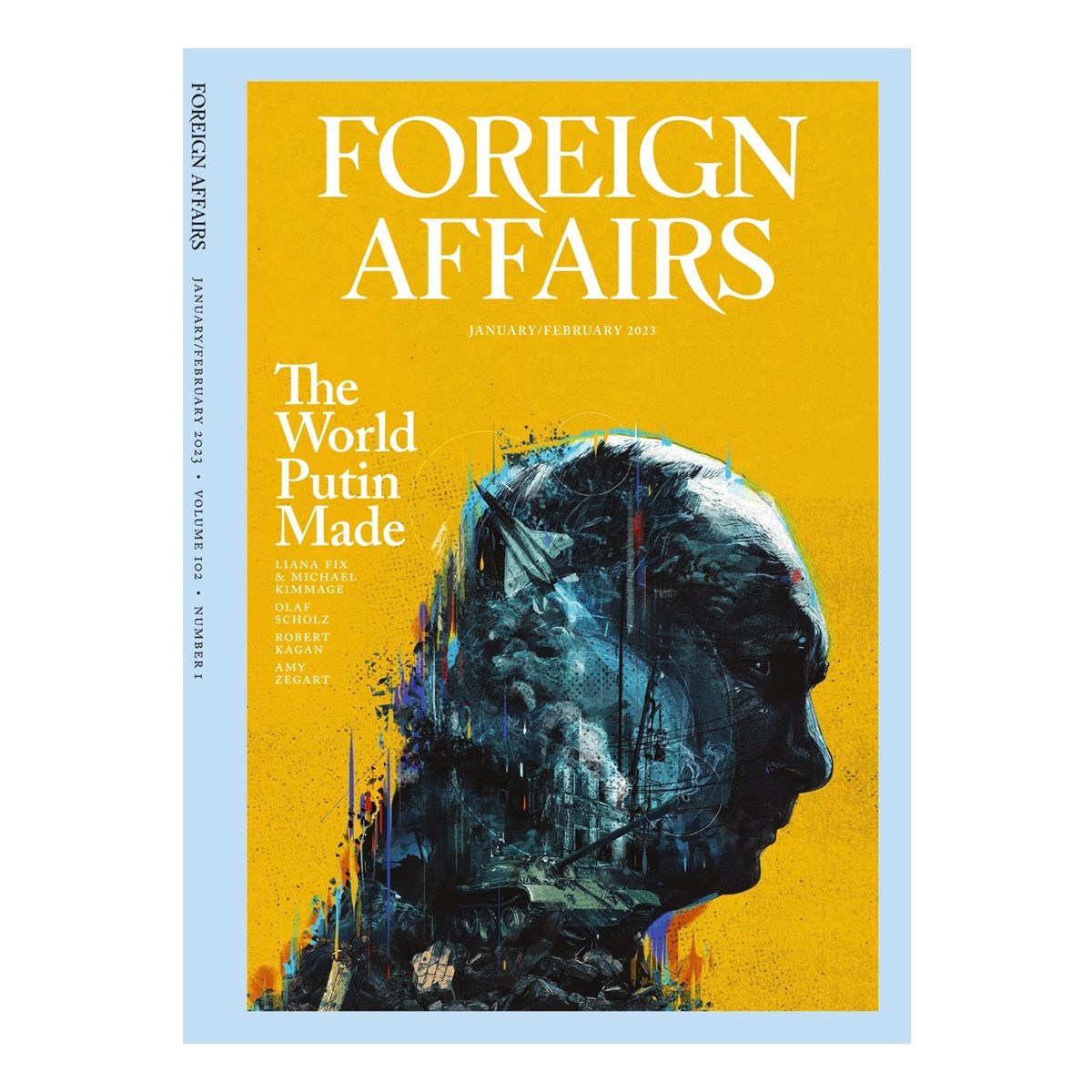 Foreign Affairs January February 2023 Issue
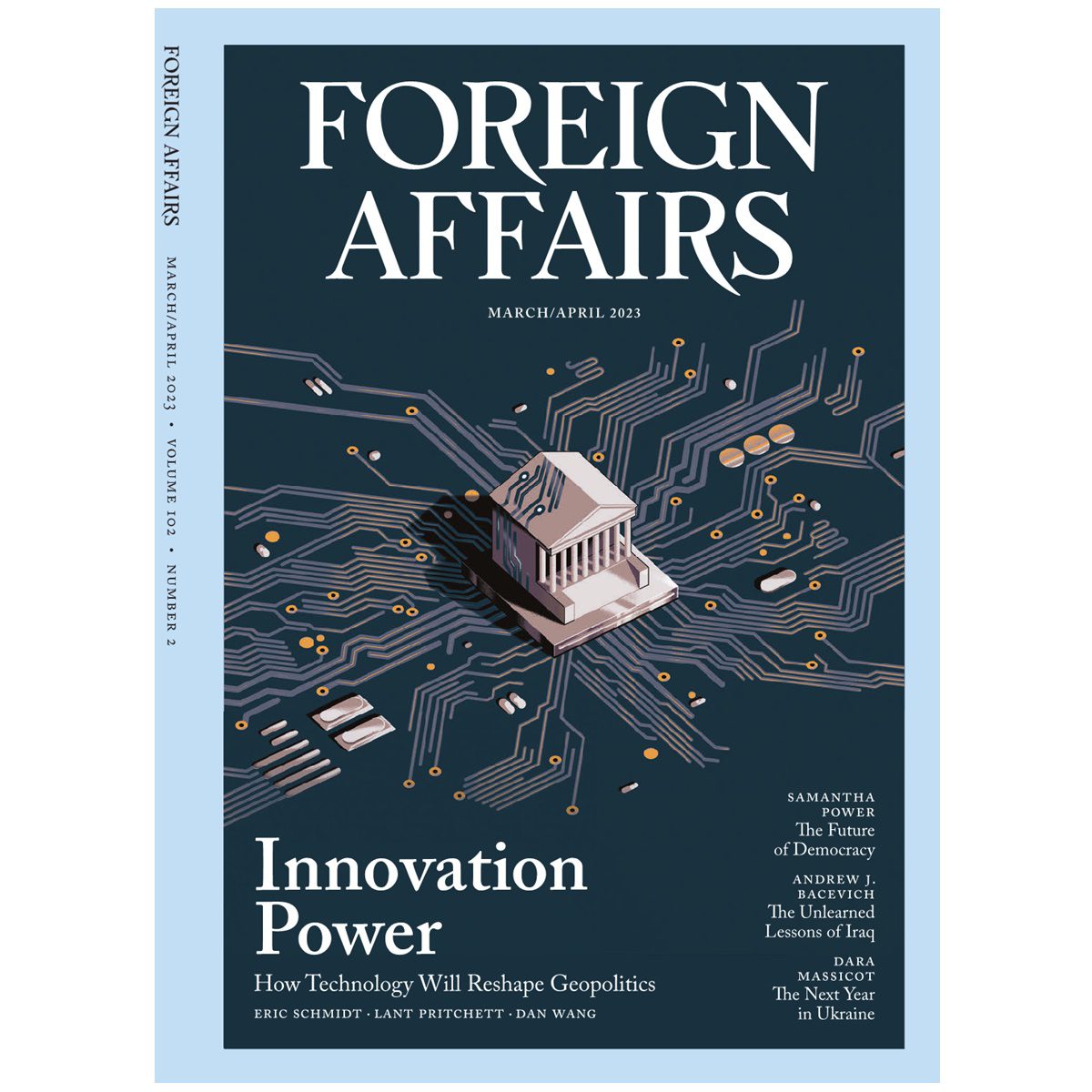 Foreign Affairs March April 2023 Issue
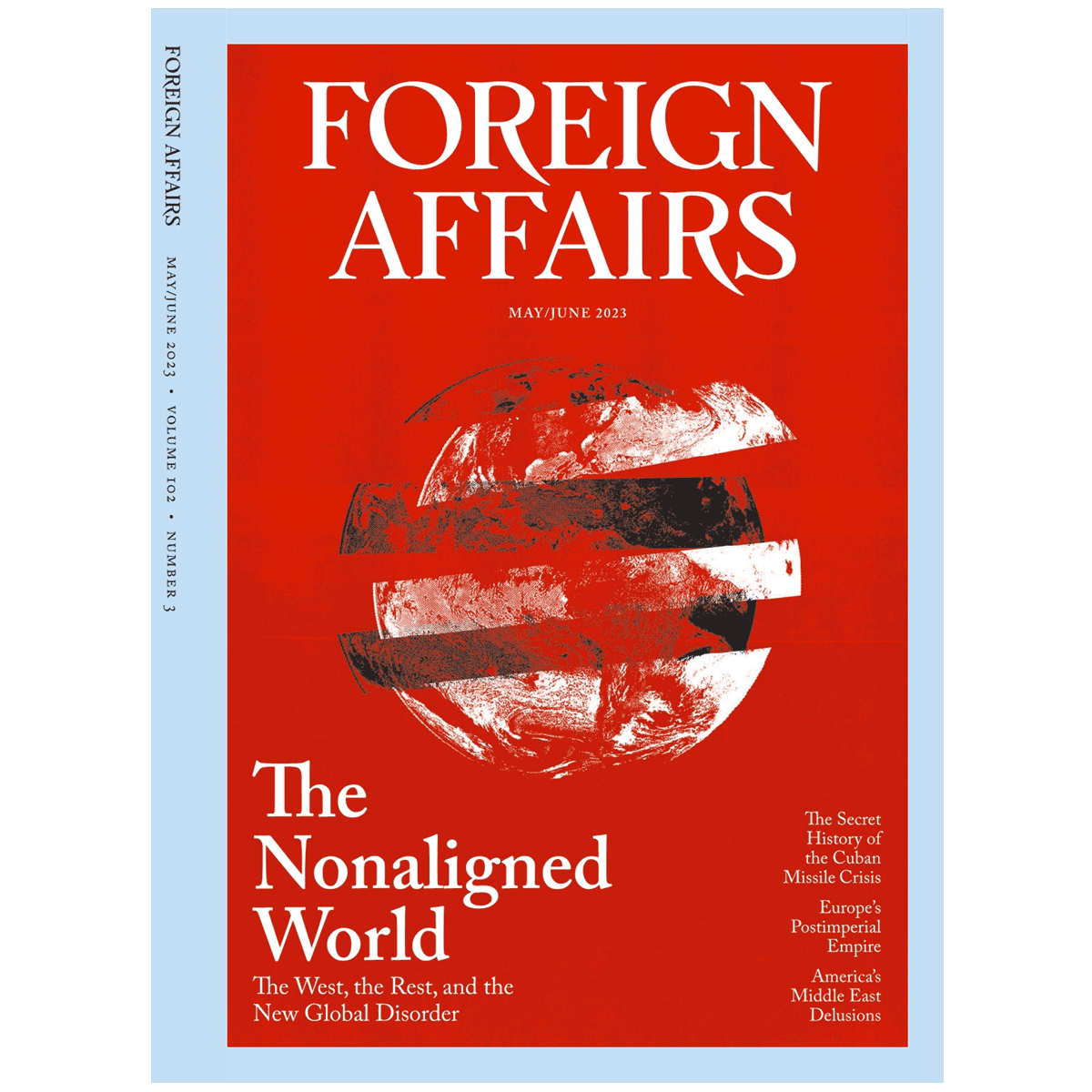 Foreign Affairs May June 2023 Issue